Essential Steps for Water Damage Mold Cleanup in Detroit Homes
Living in Detroit, I have seen my share of water damage. Whether it is a burst pipe from a harsh winter freeze or a slow leak behind a wall, the aftermath always carries the same hidden danger: mold growth. I have learned that proper water damage mold cleanup is not just about scrubbing visible spots. It is about understanding how moisture interacts with building materials and knowing what it takes to restore a home to a healthy state. Over the years, I have helped neighbors and clients navigate this process, and the lessons stick with you.
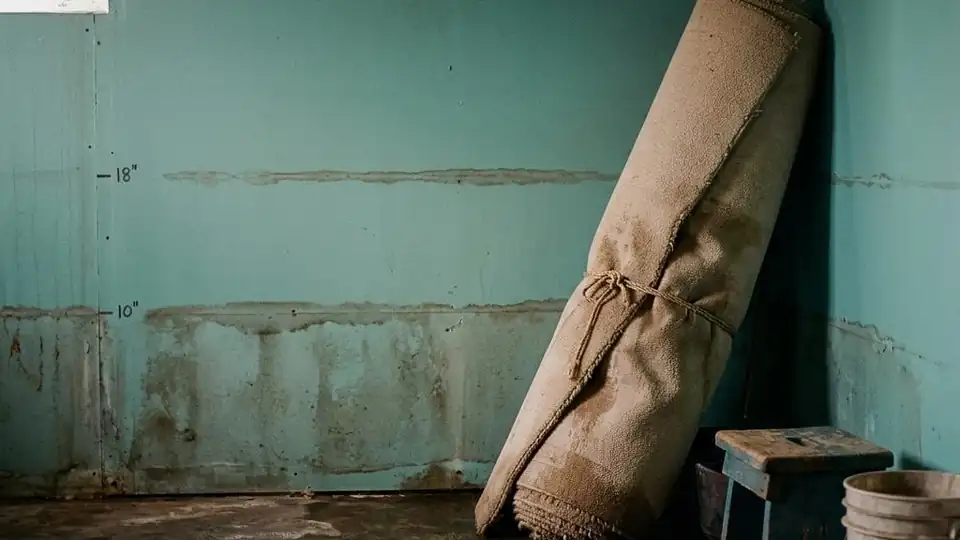
The first thing to understand is that mold does not wait. Within 24 to 48 hours of a water event, spores that are always present in the air can settle on damp surfaces and begin colonizing. That is why time is critical. If you are dealing with a leak, you need to start drying the area immediately. Pull up wet carpet, remove soaked drywall, and set up fans or a dehumidifier. The goal is to lower the moisture level below 50 percent. A humidity meter can tell you where you stand. I keep one in my tool kit and check it before I even start any remediation work.
Why Professional Mold Remediation Matters
Many homeowners try to handle mold on their own. I understand the impulse. You see a patch of black mold on a wall and you want to grab a bottle of bleach and scrub it away. But here is the truth: bleach is not effective on porous surfaces like wood or drywall. It can actually make things worse by driving the mold deeper into the material. For water damage mold cleanup, you need a different approach. Professional mold remediation involves containment, proper removal, and addressing the root cause of the moisture.
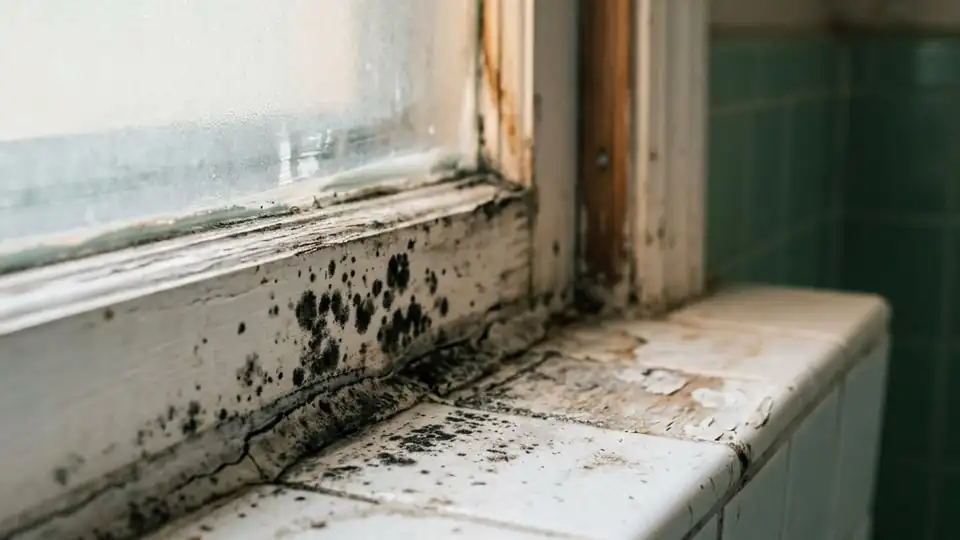
In Detroit, where older homes often have plaster and lath walls, the risk of hidden mold is high. I once worked on a house in the Cass Corridor where a slow leak behind a bathroom wall had been going on for months. The wall looked fine from the outside, but once we opened it up, we found Stachybotrys chartarum, the species commonly called toxic black mold. That is the kind that produces mycotoxins, which can cause serious health problems. We had to use HEPA vacuums, antimicrobial spray, and full PPE to contain the spores. It was not a job for DIY methods.
Health Risks and Indoor Air Quality
Mold is not just an eyesore. Living with mold can affect your indoor air quality in ways you might not notice at first. Symptoms like headaches, sneezing, and itchy eyes are common. For people with asthma or a mold allergy, the reaction can be more severe. The Michigan Department of Health and Human Services recommends addressing mold problems promptly to protect respiratory health. I have seen families move out of their homes because of persistent mold issues that caused chronic coughing and fatigue.
When you do water damage restoration, you have to think about the air you are breathing. That is where moisture control comes in. Fixing the leak is only half the battle. You also need to dry out the structure and keep it dry. A dehumidifier can help in the short term, but the long-term solution is stopping the water intrusion. That might mean repairing a roof, sealing a foundation crack, or regrading the yard so water drains away from the house.
The Science of Mold Growth
Mold is a fungus that thrives on organic materials. Wood, drywall, paper, and dust all provide food for it. When moisture is present, mold can spread rapidly. The EPA has guidelines for mold remediation that emphasize fixing the water problem first. Without addressing the moisture, any cleanup is temporary. I have learned this the hard way. A few years ago, I helped a friend clean up a basement after a flood. We scrubbed the walls with a bleach solution and thought we were done. But we had not fixed a crack in the foundation. Within a month, the mold was back, worse than before.
That experience taught me the importance of a thorough mold inspection. You need to identify all sources of moisture, not just the obvious ones. Sometimes the issue is high humidity from a crawl space or a poorly vented bathroom. Other times it is a leaky pipe inside a wall. A good inspection uses a moisture meter and sometimes a borescope to see inside cavities. Once you know where the water is coming from, you can plan the cleanup.
Practical Steps for Cleanup
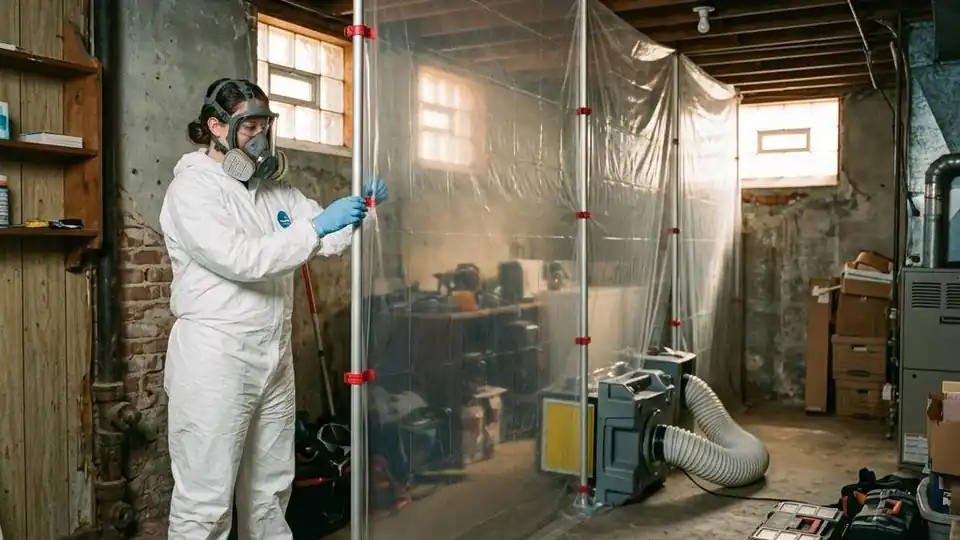
If you are dealing with a small area of mold, say less than ten square feet, you can handle it yourself with the right precautions. Wear gloves, goggles, and an N95 respirator or better. Do not use a regular dust mask; it will not filter out spores. Seal off the area with plastic sheeting to keep spores from spreading. Then clean the surface with a detergent solution or a commercial antimicrobial spray. Dry the area thoroughly afterward. Do not use bleach on wood or drywall. It kills surface mold but does not penetrate, and it can damage the material.
For larger areas, or if you suspect toxic mold like Stachybotrys chartarum, call a professional. The remediation cost can vary, but it is worth it for your health and safety. In Detroit, I have seen quotes range from a few hundred dollars for a small cleanup to several thousand for a full-scale remediation involving drywall removal and HEPA vacuuming. The price depends on the extent of the damage and the labor involved. But the alternative, living with mold, can lead to higher medical bills and property damage down the road.
Prevention After Cleanup
Once the water damage mold cleanup is done, you want to keep it from coming back. That means controlling humidity. I recommend keeping indoor humidity between 30 and 50 percent. A humidity meter can help you monitor it. If you live in a humid part of Detroit, a dehumidifier in the basement or crawl space can make a big difference. Also, fix any leaks right away. A small drip can become a big problem if ignored.
Another tool I have used is boric acid. It is a natural compound that can help prevent mold growth on wood surfaces. It is not a quick fix, but it can be part of a long-term moisture control strategy. Some people use it in crawl spaces or attics. Just be careful with it around pets and children, and follow the label directions.
Finally, keep up with regular maintenance. Clean gutters, check for roof leaks, and make sure your foundation is sealed. In older Detroit homes, this is especially important. I have seen homes with beautiful woodwork that were ruined by years of undetected moisture. A little prevention goes a long way.
When to Call a Professional
There are times when you need to step back and let a trained team handle it. If the mold covers a large area, if you have health concerns like a mold allergy, or if the water damage is extensive, it is time to call in experts. Mold remediation companies have the equipment and knowledge to do the job safely. They use HEPA vacuums, proper PPE, and containment protocols that keep spores from spreading to the rest of the house.
In Detroit, the Michigan Department of Health and Human Services offers guidance on mold cleanup, but they do not certify contractors. You have to do your own research. Look for a company that follows EPA guidelines and has experience with water damage restoration. Ask about their process and whether they do a post-remediation inspection to confirm the mold is gone.
I have seen too many people try to cut corners and end up with recurring mold problems. The money you save on a DIY cleanup can be lost in remediation cost later. It is better to do it right the first time.
Final Thoughts
Water damage mold cleanup is not glamorous work, but it is essential for keeping a home safe and healthy. I have been through it myself, and I have helped others through it. The key is to act fast, dry things out, and address the moisture source. Use the right tools and know your limits. If you are unsure, get a professional opinion. Your lungs and your home will thank you.
Living in Detroit, I take pride in helping people protect their homes. The city has a lot of older housing stock, and that means more potential for water issues. But with some knowledge and effort, you can keep your indoor air quality high and your mold problems low. Remember, the goal is not just to clean up the visible mold. It is to create an environment where mold cannot grow in the first place.